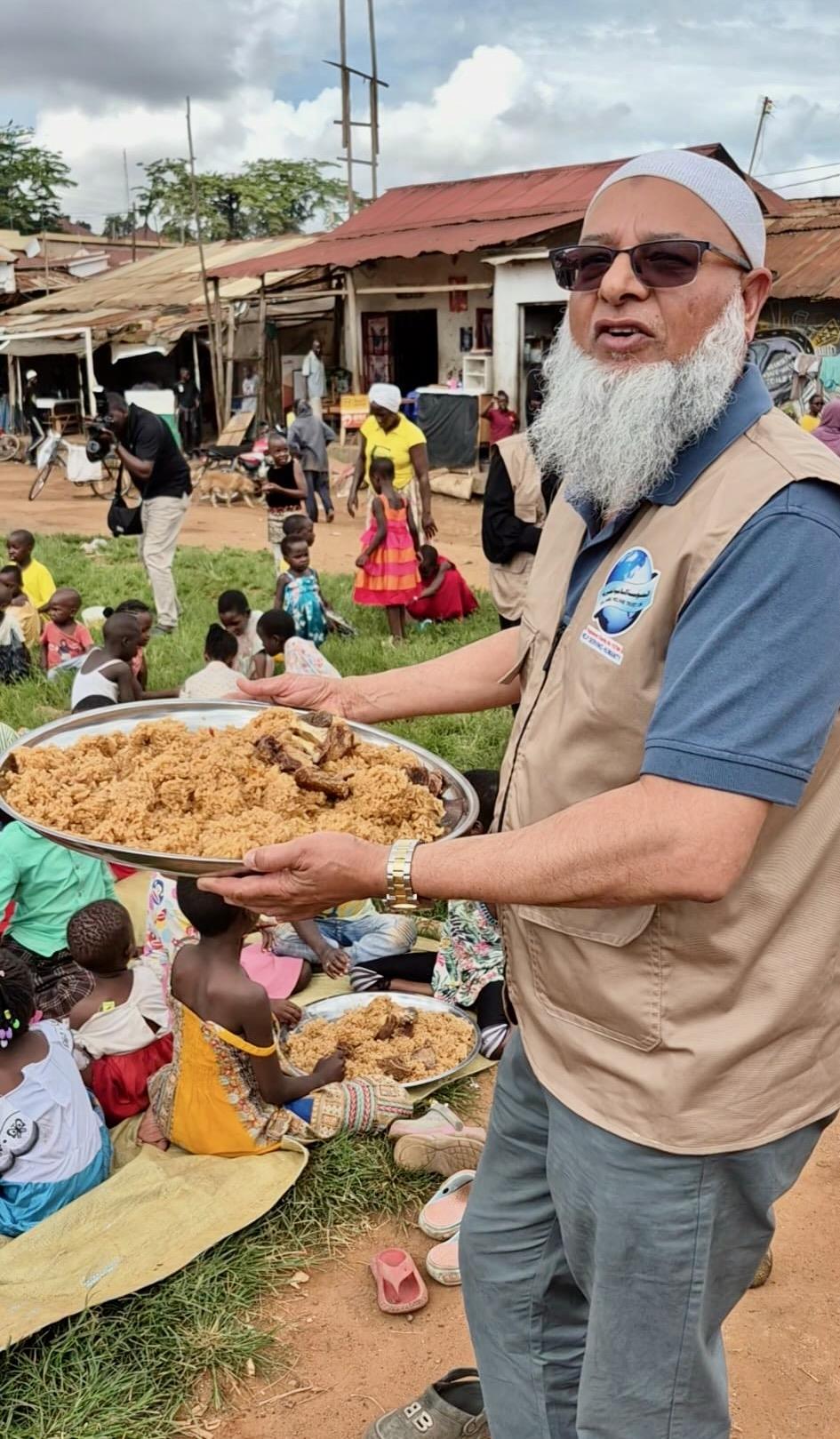
At our Steak Night on Thu 27 Aug 26 Rotarian Fiaz Ahmed described his self-funded visit with the Islamic Welfare Trust UK to refugee settlements in Uganda. He showed images of the many child orphans and displaced families he met and the work being conducted there to feed and shelter hundreds of thousands of people.
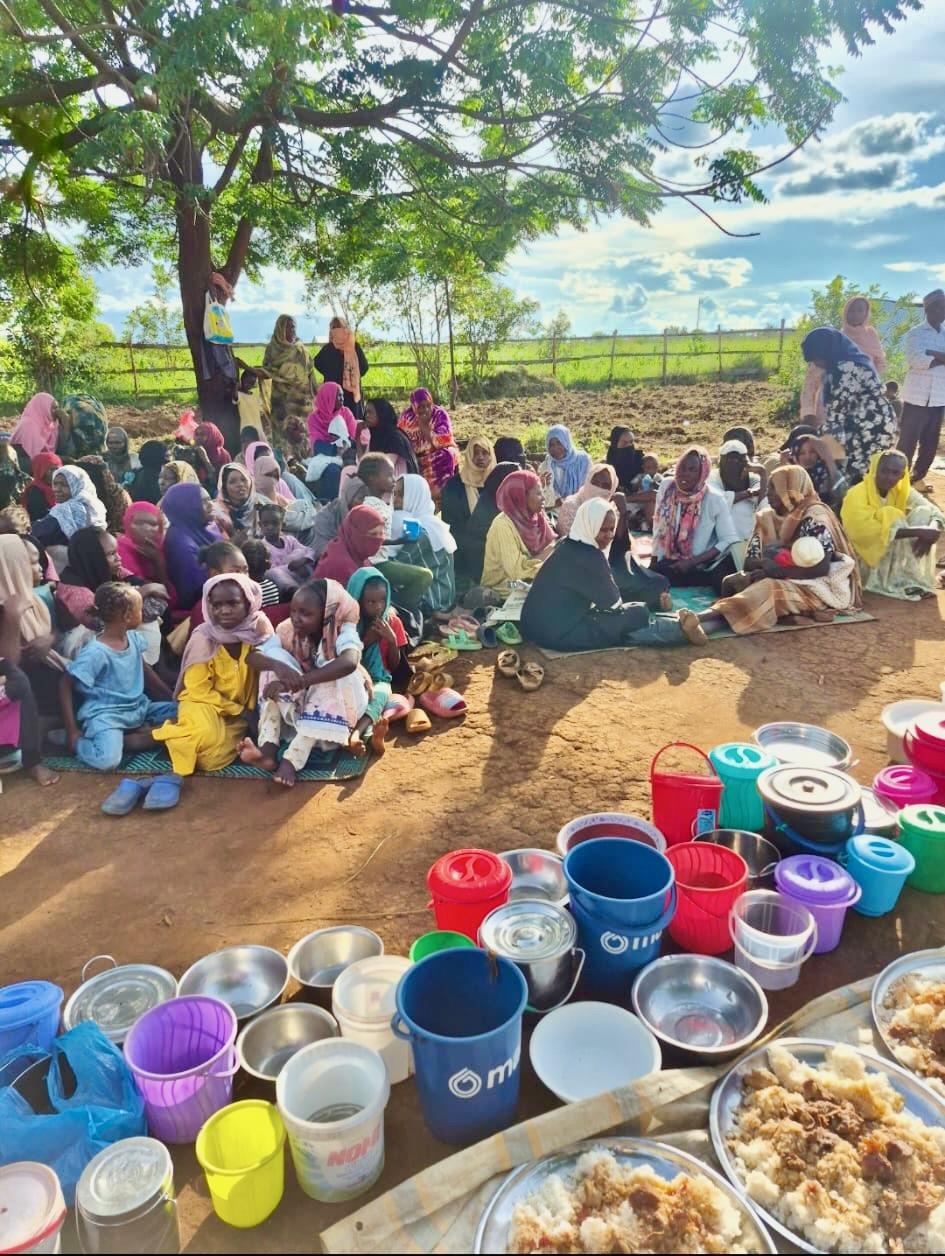
Uganda hosts one of the largest refugee populations in the world with over 1.5 million displaced people from South Sudan, DR Congo and Sudan. Poverty levels amongst refugees remains high, especially in urban slums and informal settlements. Many communities rely heavily on humanitarian organisations for food, water, education, and medical support.
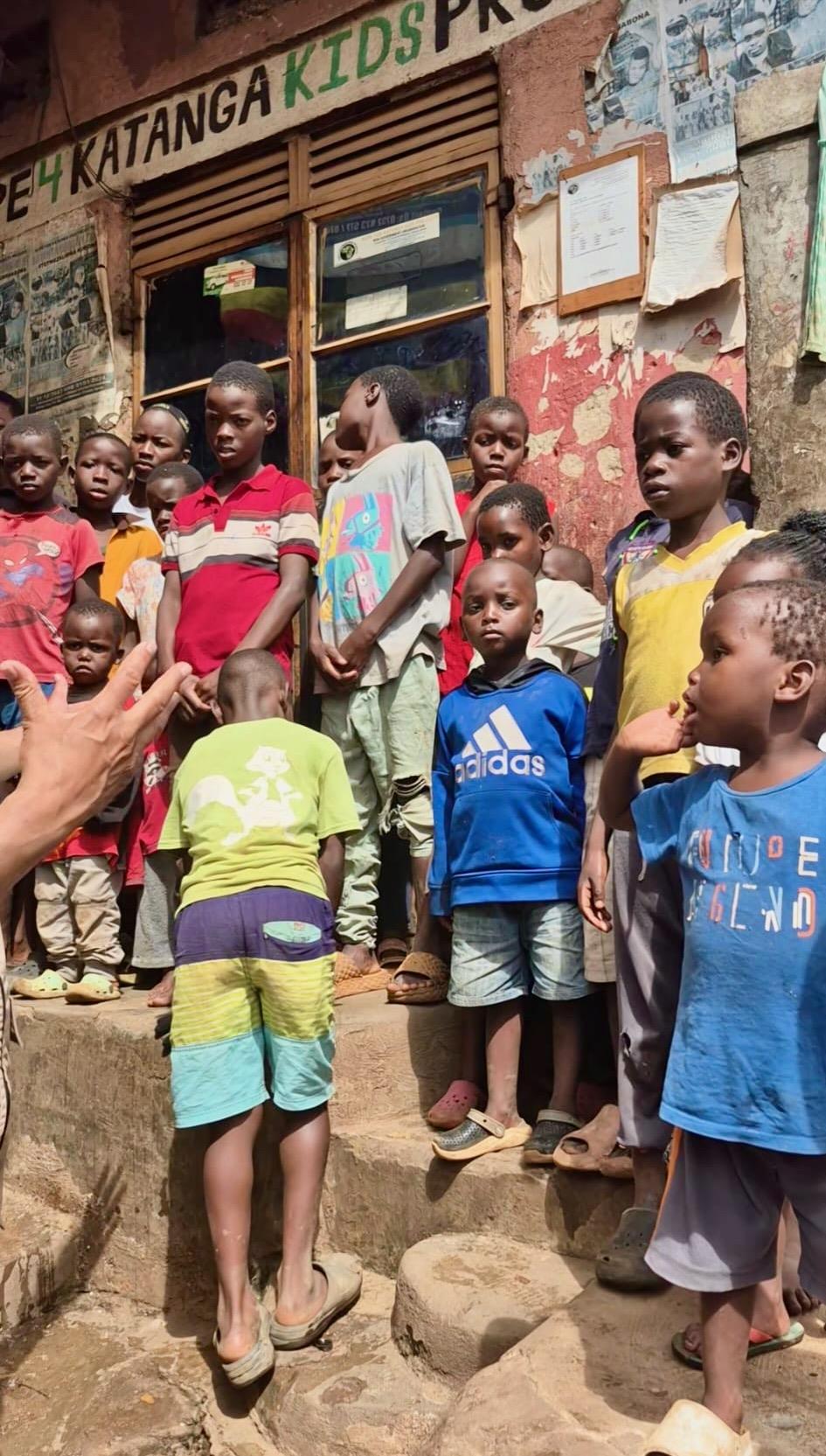
The Katanga Slum, Kampala is one of the largest and most vulnerable informal settlements in Uganda. It has a population of some 20,000 residents, a.round half are children. They live in overcrowded homes made from mud, timber, and corrugated iron and there is a high risk of flooding and contamination. Water is purchased daily in jerrycans and many families survive on less than £1.50 per day: children often skip meals. Among many of the key challenges are are poverty, unemployment, disease and child vulnerability
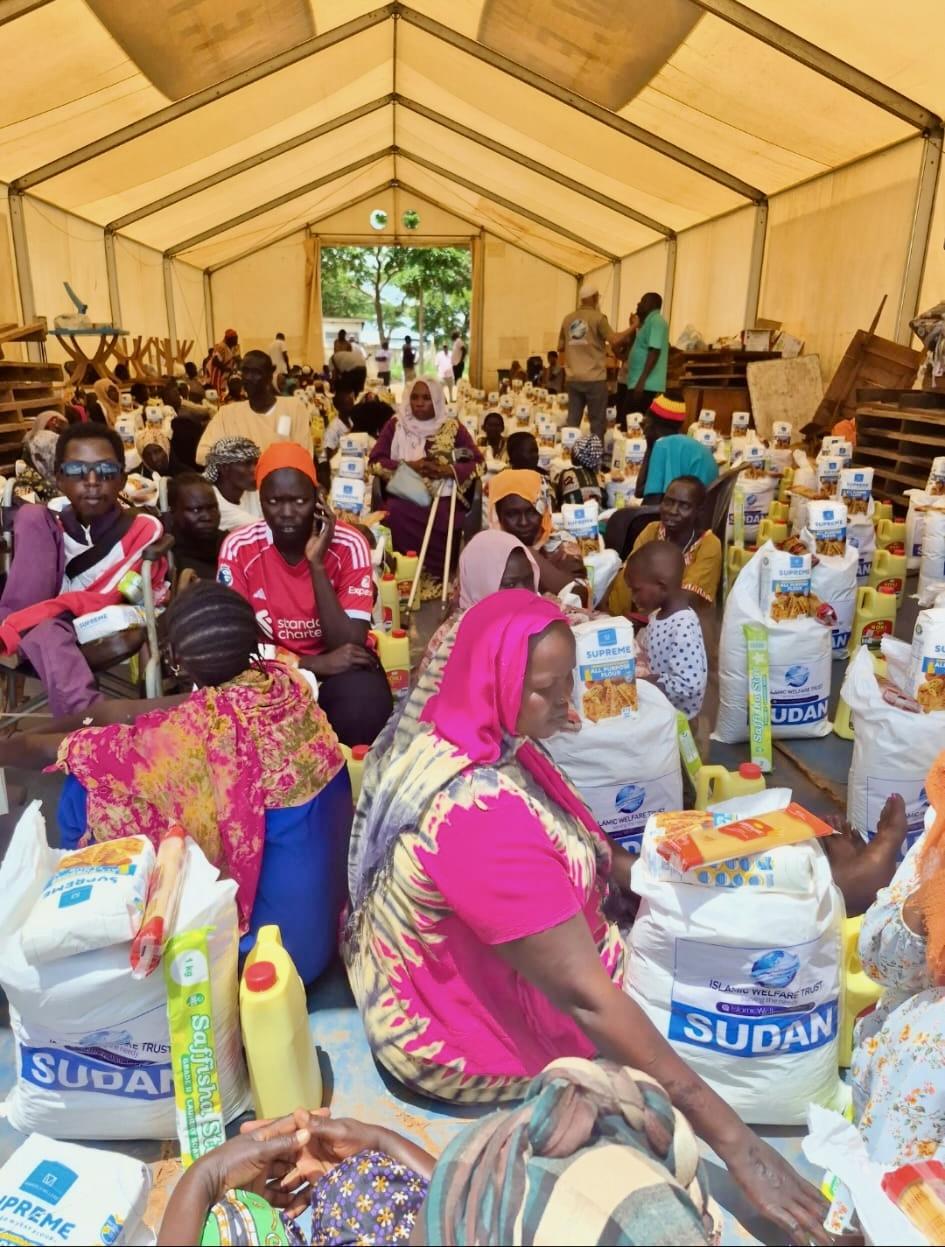
The refugee settlement in the Kiryandongo Region has approximately 130,000 to 140,000 refugees: around 80% are women and children, many from Suda following conflict in 2023-2024. Their challenges include food ration cuts due to global shortages, overcrowding, limited medical facilities, trauma among children and pressure on local resources.
Meals provided to the refugees include rice, beans and vegetables, with porridge for children (many of whom only receive one meal a day.
Some informal photos of this meeting can be found in the photo albums low down the home page.